Light is Everything
Designing with Natural and Artificial Lighting
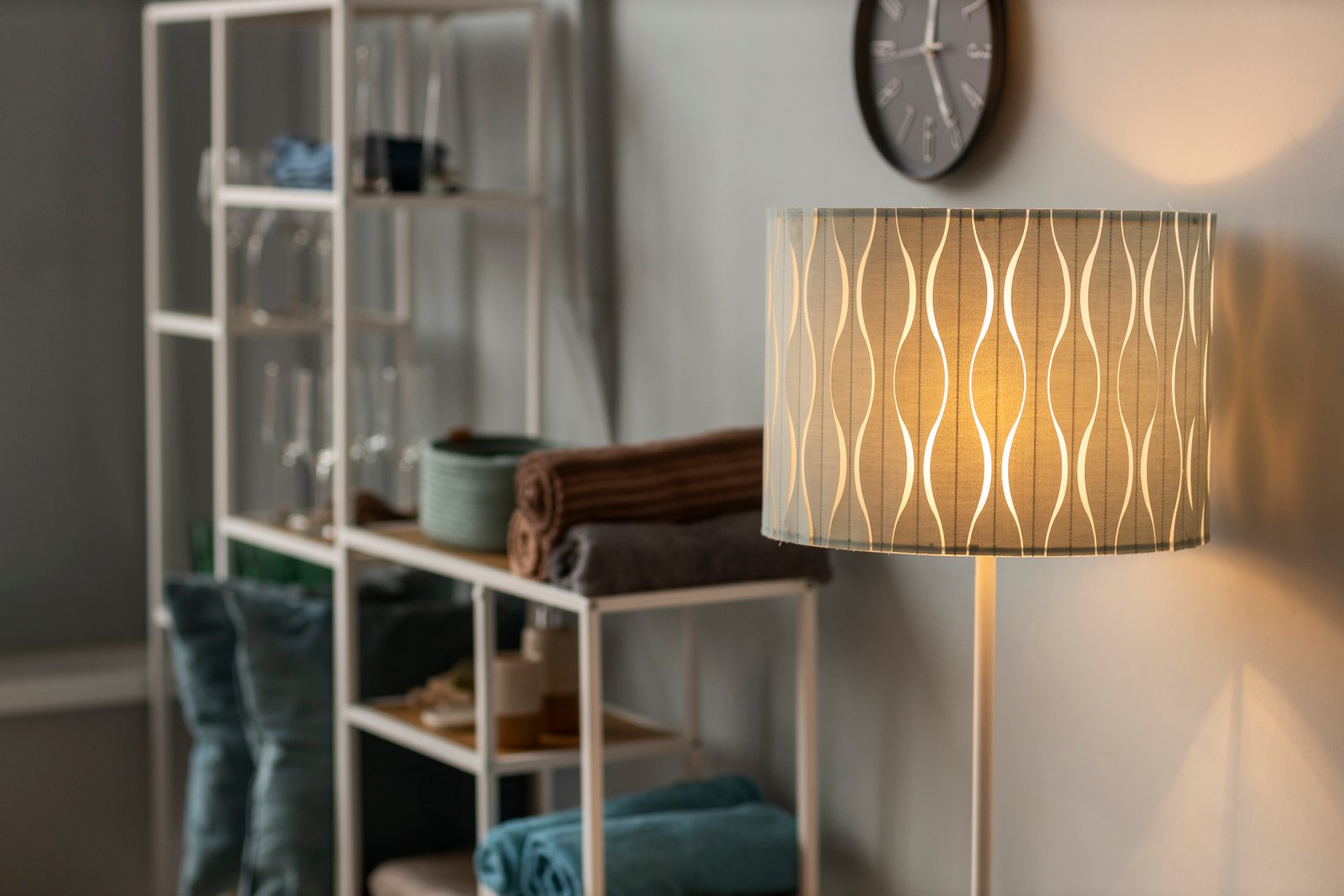
How Lighting Shapes Mood and Space ?
Lighting is often described as the unsung hero of interior design—an invisible force that
can completely transform how a space feels, functions, and flows. Whether it's the soft glow
of a bedside lamp or the dramatic shadows cast by pendant lights, lighting does more than
illuminate; it sets the emotional tone of a room.
The strategic use of lighting influences how we perceive size, color, and even temperature.
It can turn a bland room into a warm retreat or make a large room feel intimate and cozy.
Understanding how lighting affects mood and space is essential to designing interiors that
feel as good as they look.
Key Lighting Effects to Consider :
- • Ambient lighting : General overhead light that sets the base mood.
- • Task lighting : Focused illumination for specific functions (e.g., desk lamps, kitchen underlights).
- • Accent lighting : Highlights artwork, architectural features, or textures.
- • Natural light : Shifts during the day, creating dynamic changes in mood and perception.
Ambient lighting is the foundation of a well-lit space. This is the light that fills the
room and affects how open, inviting, or sterile it feels. A warm-toned ambient light can
create a cozy, relaxing mood, while cooler lights can energize a space, often used in work
settings like kitchens or offices.
Task lighting adds functionality and focus. It ensures that areas like reading nooks,
kitchen counters, and bathroom mirrors are properly lit. But it’s not just practical—it also
adds layers to a room, preventing it from feeling flat or one-dimensional. For example, a
desk lamp not only illuminates your work but adds warmth to a corner of your room.
Choosing the right lighting temperature is also crucial. Cooler (bluish) light enhances
alertness and clarity—great for offices and kitchens—while warmer (yellowish) light promotes
relaxation and comfort, ideal for bedrooms and lounges.
Ultimately, lighting is both science and art. When thoughtfully integrated, it guides your
experience in a space—how you feel, move, and interact within it. It’s the final layer that
ties all other design choices together, turning interiors into immersive, emotional
experiences.