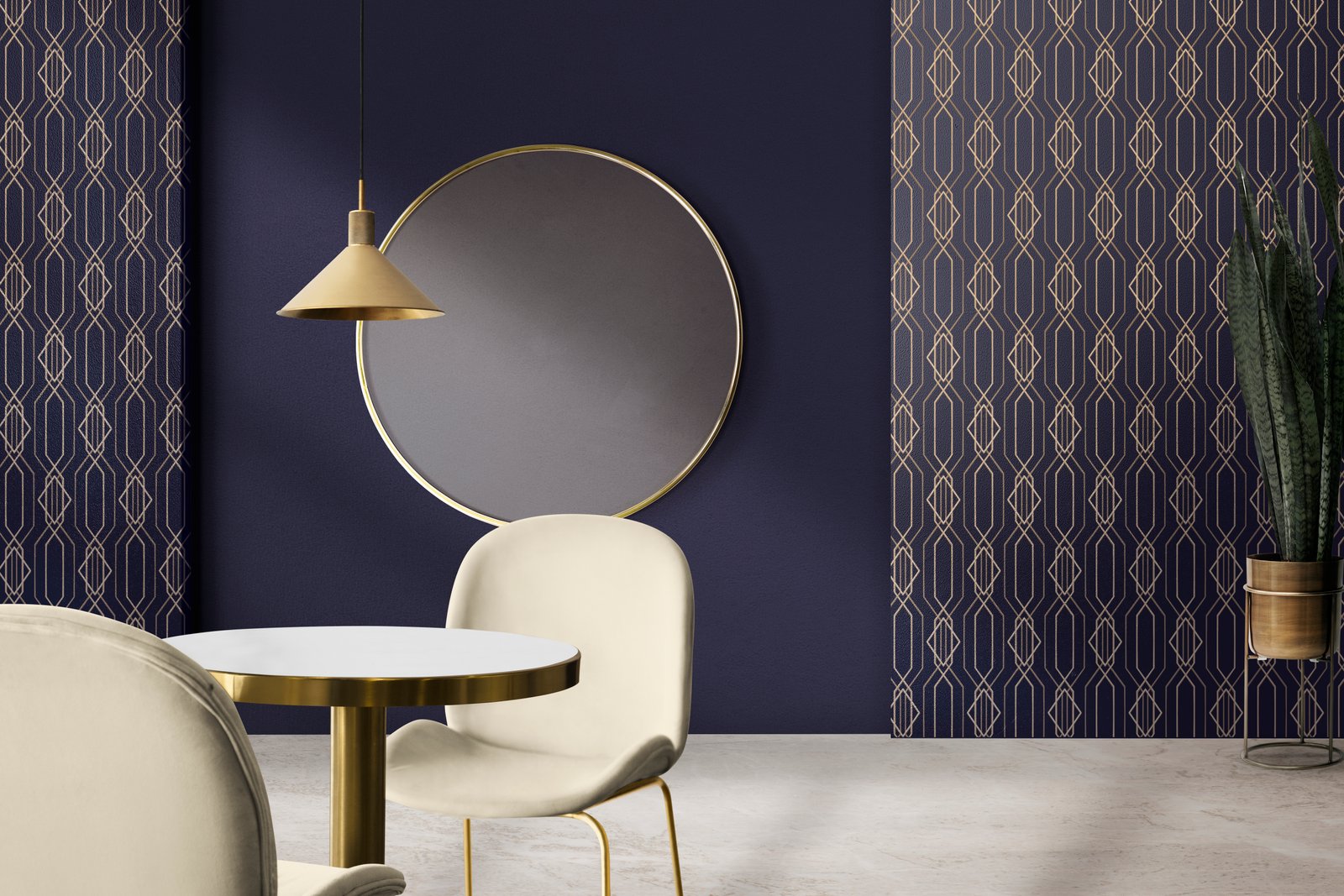
The Power of Texture in Interior Design ?
Texture is the silent storyteller in every beautifully designed
space. While color and shape may first capture our attention,
texture brings soul and dimension to a room. It appeals to the
sense of touch and creates visual richness, making an interior
feel complete, layered, and lived-in. The true power of texture
lies in its ability to add warmth, depth, and emotion — even in
the most minimalistic environments.
From rough-hewn woods to smooth marble, plush velvets to crisp
linens, texture can define a room’s mood more subtly — yet more
powerfully — than color alone. A space filled with neutral
tones, for instance, comes alive when texture is introduced
thoughtfully.
Why Texture Matters ?
- • It adds depth : Especially in monochrome or minimalist interiors.
- • Creates contrast : Rough vs. smooth, matte vs. glossy keeps the eye engaged.
- • Enhances warmth : Cozy textures like wool or boucle make a space feel inviting.
- • Defines zones : Rugs, wall panels, or even textured paint can anchor a space.
- • Adds sensory engagement : Texture connects people emotionally to a space.
Texture can be introduced through large elements like flooring
or upholstery, or subtly through details like cushions,
ceramics, or artwork. A velvet sofa against a concrete wall. A
jute rug beneath a sleek glass table. Even natural textures like
exposed brick or indoor plants can breathe life into a sterile
setting.
Layering is key. Mixing soft and hard textures — such as a
fluffy throw on a leather chair or a knitted pouf next to a
metal side table — creates visual balance. This tactile contrast
ensures the space doesn’t feel flat or one-dimensional.
Lighting also plays a critical role in how texture is perceived.
Highlighting a rough stone wall or a rippled fabric curtain with
warm lighting brings out its full character, while harsh
lighting can flatten and wash out subtle textures.
In the end, texture transforms a space from just “styled” to
deeply “felt.” It invites you to interact, to linger, and to
emotionally connect with your surroundings. In interior design,
texture is not just a detail — it's a dialogue between material
and mood.